For Pennsylvania small business owners-ranging from convenience store operators and tavern owners to veterans’ clubs-the year 2026 represents a watershed moment. After years of legal ambiguity, the “grey market” designation for skill games is being replaced by a robust, regulated, and taxed framework. Navigating the Pennsylvania Skill Game Act 2026 is no longer optional; it is a prerequisite for operational survival.
As the legal landscape solidifies, retailers must distinguish between compliant technology and high-risk gambling devices. This guide provides a deep dive into the current legislation, the economic implications of the proposed taxes, and why your choice of hardware-specifically through ProSkillGames.com-will determine your standing in this new regulatory era.
I. The Legislative Engine: Senator Gene Yaw and the Drive for Regulation
The primary architect of the current regulatory push is Senator Gene Yaw (R-23), whose persistent efforts culminated in the bipartisan framework introduced in late 2025 and finalized for the 2026 session. Senator Yaw’s approach, often supported by Senator Anthony Williams (D-8), focuses on three pillars: regulation, taxation, and law enforcement.
The Bipartisan Regulatory Framework
The 2026 legislation seeks to bring skill games “out of the shadows.” Unlike the predatory environment of unregulated machines, the new act mandates that every machine operating in a retail environment must be registered, licensed, and connected to a central monitoring system. This system ensures that the Commonwealth can track revenue and verify that the software meets the state’s definition of “skill.”
Crackdown on “Nuisance” Locations
A significant portion of the Pennsylvania Skill Game Act 2026 is dedicated to eliminating what legislators call “mini-casinos”-unlicensed storefronts that operate dozens of machines without a secondary business model (like food or retail). For legitimate retailers, this is good news. By cleaning up the industry, the state is protecting the reputation and legal standing of established businesses that use skill games as a supplementary revenue stream.
II. The Financial Impact: Governor Shapiro’s Tax Proposal
While the industry generally welcomes regulation, the method and rate of taxation have become the primary point of contention in Harrisburg. Governor Josh Shapiro’s 2026-27 budget proposal has sent shockwaves through the small business community.
The 52% vs. 16% Debate
Governor Shapiro has proposed a tax rate as high as 52% on skill game revenue, a figure that rivals the tax rates paid by massive commercial casinos. Proponents of this high rate argue that it will generate over $2 billion annually for the state’s General Fund, supporting education and transit. However, critics-including ProSkillGames and local retail associations-point out that such a rate is unsustainable for small businesses.
In contrast, Senator Yaw’s proposal has historically hovered around the 16% mark. A lower tax rate allows the retailer to cover the rising costs of electricity, security, and maintenance while still contributing significant revenue to the Commonwealth. For a typical Pennsylvania retailer, the difference between a 16% and 52% tax could be the difference between a profitable side-revenue stream and a net loss.
Economic Contribution of Retailers
Retailers must realize that their contribution is part of a larger ecosystem. Skill games currently support thousands of jobs in the Commonwealth, from technicians to local bartenders. The 2026 legislation recognizes this, but the final tax rate will significantly influence how many retailers choose to keep their machines in the coming years.
III. Luck vs. Skill: Defining Compliance in 2026
To operate legally under the Pennsylvania Skill Game Act 2026, a machine must pass a fundamental legal test: Is the outcome determined by the player’s skill or by a random number generator (RNG)?
Luck-Based Slot Machines
Traditional slots, found in casinos, are purely based on chance. The player presses a button, and the machine’s internal RNG determines if they win or lose. The player has zero influence over the result. In Pennsylvania, these machines are strictly limited to licensed casinos. Any retailer operating an RNG-based machine without a casino license is in violation of the law and subject to immediate seizure of equipment and funds.
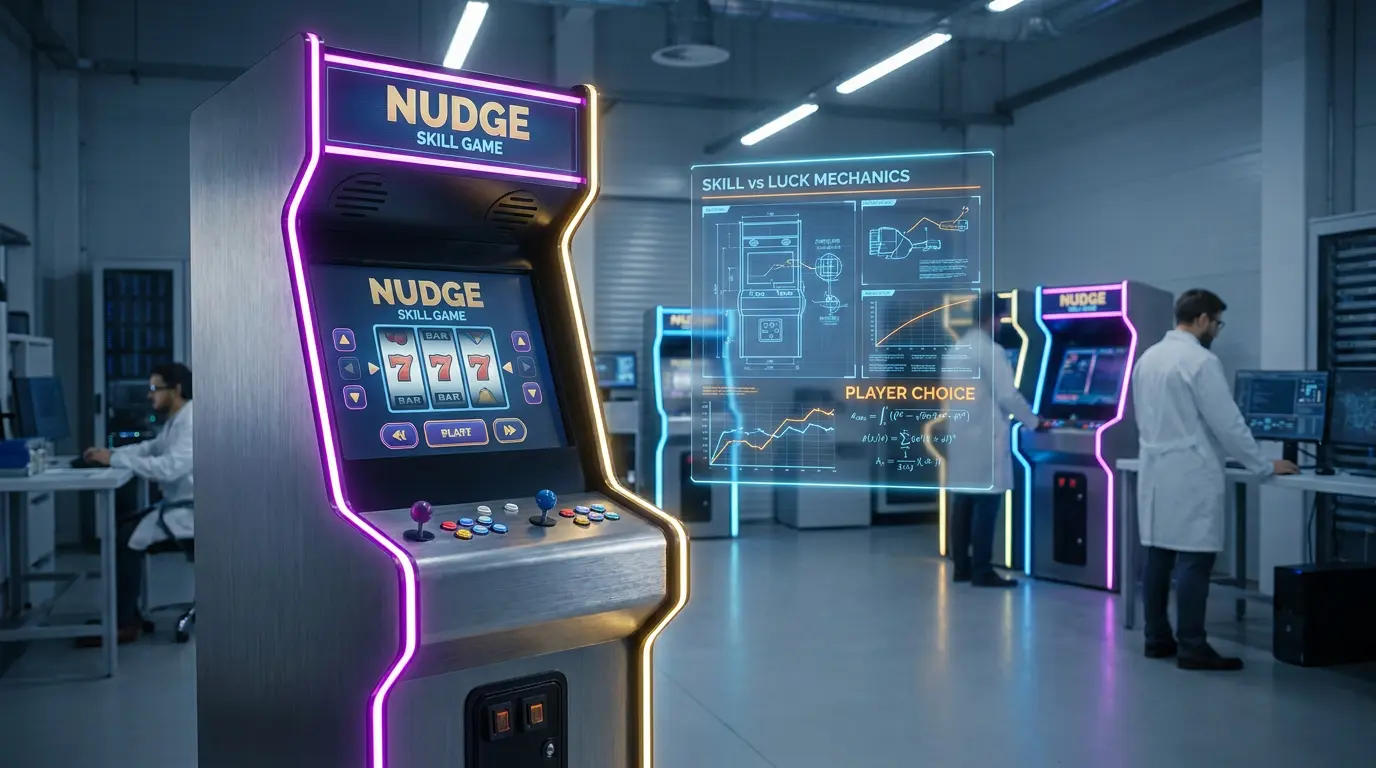
Skill-Based “Nudge” Games
Compliant skill games, such as those provided by ProSkillGames.com, function differently. These games often utilize a “nudge” or “memory” mechanic.
- Nudge: After the reels spin, the player must identify a winning combination and manually “nudge” a reel into place. If the player lacks the skill to identify the pattern, they do not win.
- Memory/Follow-the-Pattern: Some games require the player to memorize a sequence of lights or symbols. The payout is contingent on the player’s ability to recall that sequence accurately.
Because the player can win every time if they possess sufficient skill, the Pennsylvania Commonwealth Court and Supreme Court have historically ruled that these are not “gambling devices.” The 2026 legislation codifies these definitions, making it imperative for retailers to verify the software architecture of their machines.
IV. Why ProSkillGames Boards are the Compliant Choice
As enforcement ramps up in 2026, the source of your hardware and software becomes your primary legal shield. ProSkillGames has established itself as a leader in Pennsylvania-compliant gaming solutions. Here is why retailers are switching to their systems:
1. Verified Software Logic
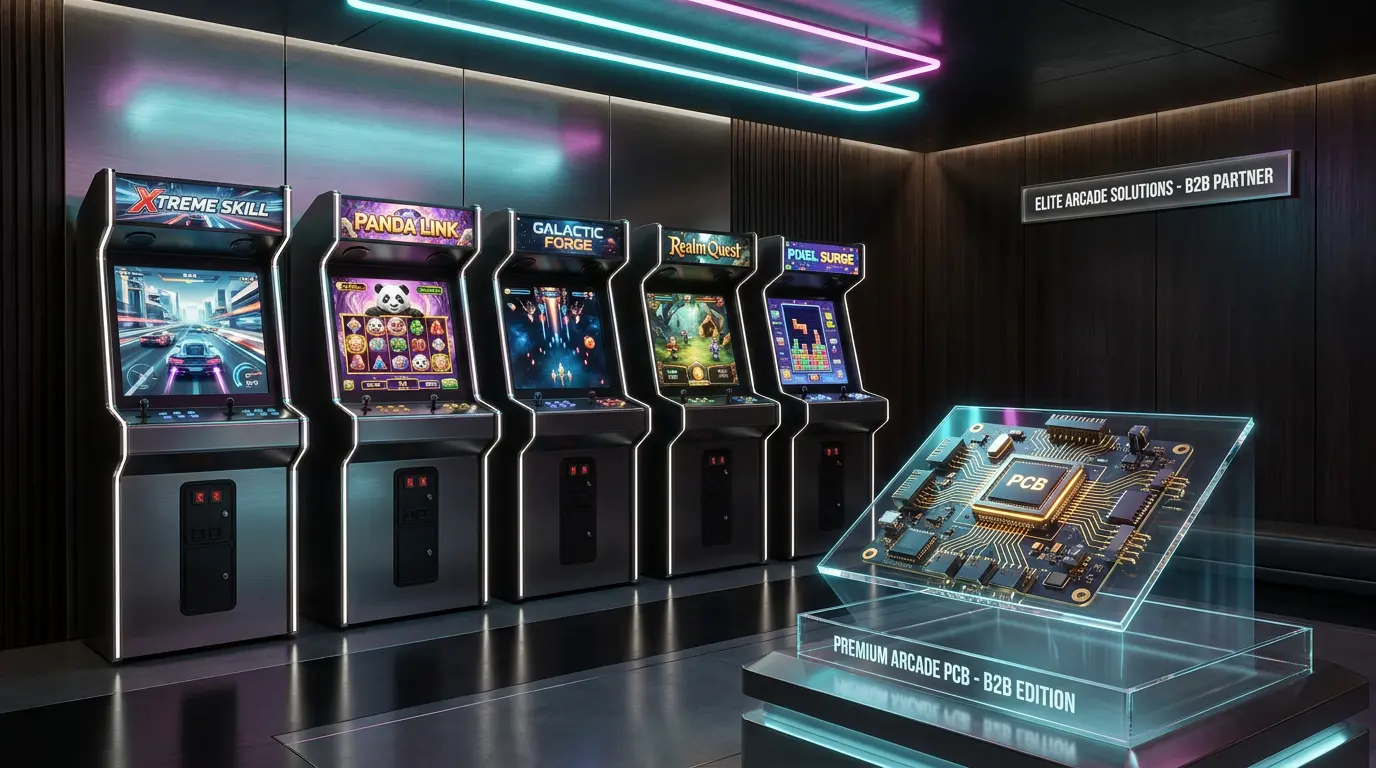
ProSkillGames boards are specifically engineered to meet the “Skill” criteria. Unlike generic boards imported from overseas that often hide RNG elements in their code, ProSkillGames utilizes transparent nudge and memory mechanics that have survived legal scrutiny in various jurisdictions. When a state inspector arrives at your location in 2026, having a ProSkillGames board provides the peace of mind that your equipment adheres to the letter of the law.
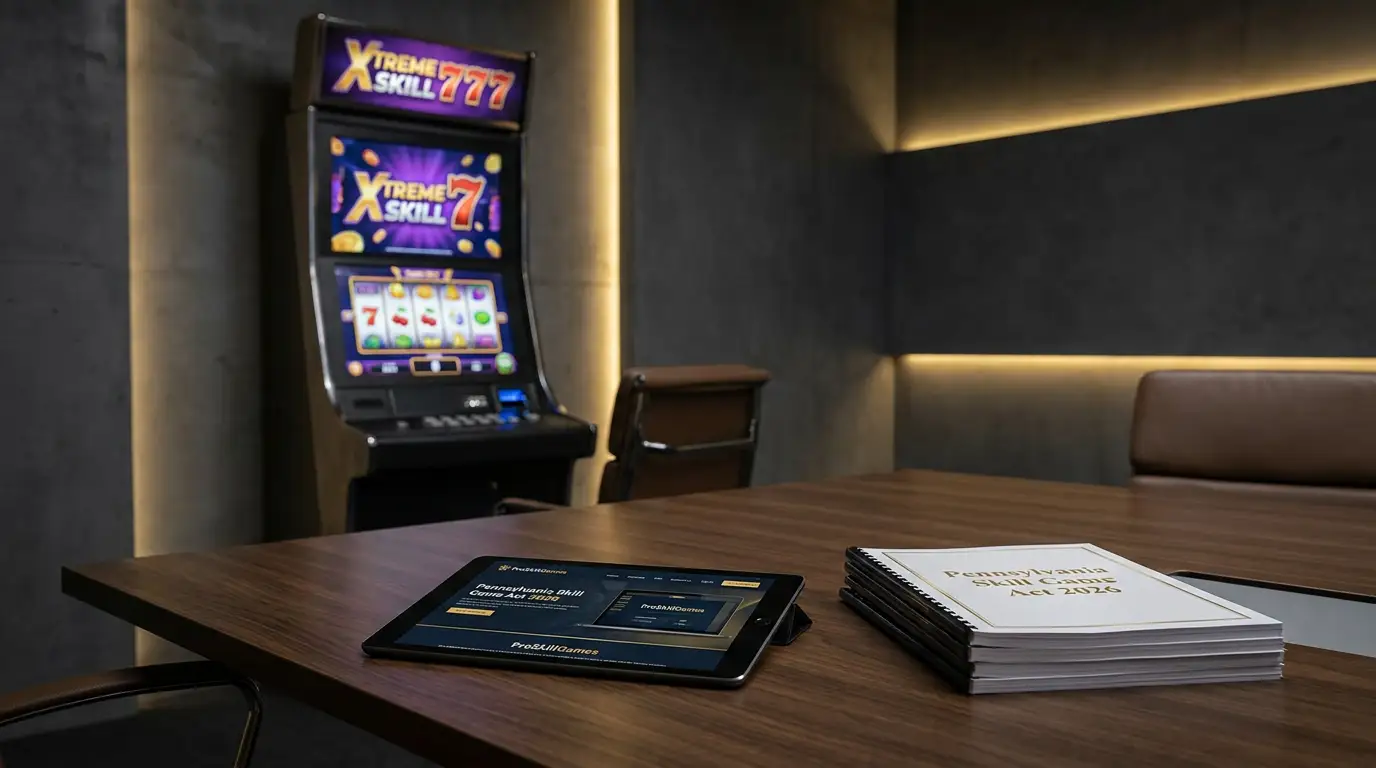
2. The Xtreme Skill 777 Hardware Solution
For retailers looking for the gold standard in hardware, the Xtreme Skill 777 is the recommended solution. This hardware is built for the high-traffic environment of a PA convenience store or bar. It features:
- High-resolution touchscreens for precise player interaction.
- Robust security features to prevent tampering.
- Compatibility with the impending state-mandated central monitoring systems.
Investing in the Xtreme Skill 777 ensures that you won’t need to replace your hardware when the 2026 regulations go into full effect.
3. B2B Support and Longevity
ProSkillGames understands the B2B landscape. They don’t just sell a board; they provide the technical support and updates required to stay ahead of legislative changes. As the Pennsylvania Skill Game Act 2026 evolves, ProSkillGames users receive the firmware updates necessary to maintain compliance, protecting the retailer’s investment long-term.
V. Step-by-Step Compliance Checklist for PA Retailers
- Audit Your Current Machines: Are your machines RNG-based or skill-based? If you can’t prove it’s a nudge or memory game, it’s a liability.
- Verify Licensing: Prepare for the 2026 licensing window. Ensure your business taxes are up to date, as the Department of Revenue will likely use this as a prerequisite for skill game permits.
- Update Your Hardware: Switch to verified boards like those from ProSkillGames.com.
- Signage and Placement: Ensure your machines are not accessible to minors and that you have the required state-mandated “Skill Game” signage clearly posted.
VI. Frequently Asked Questions (FAQ)
Is the Pennsylvania Skill Game Act 2026 already in effect?
The legislative framework was finalized in late 2025, with full implementation, including licensing and the new tax structure, taking effect throughout 2026. Retailers should be in the process of ensuring their equipment is compliant now.
What happens if my machines are seized?
If law enforcement determines your machines are “luck-based” slot machines, they can be seized as illegal gambling devices. This often results in heavy fines and the loss of your liquor or lottery license. This is why using compliant boards from ProSkillGames is critical.
How much will the license cost?
Under Senator Yaw’s proposal, license fees are expected to be tiered based on the number of machines, but final figures are still being debated in the 2026 session. Expect an annual fee per machine plus an initial establishment license fee.
Can I still have skill games if I have a PA Lottery machine?
Yes. Many retailers successfully operate both. However, the 2026 act may include “zoning” requirements to ensure machines are placed a certain distance from lottery kiosks to prevent player confusion.
Conclusion: Securing Your Future in the PA Gaming Market
The Pennsylvania Skill Game Act 2026 is not the end of the industry; it is the beginning of its professionalization. While the debate over Governor Shapiro’s 52% tax versus Senator Yaw’s 16% rate continues to play out in the halls of Harrisburg, the mandate for compliance is clear. Retailers who proactive adopt verified, skill-based technology like the Xtreme Skill 777 will be the ones who thrive in this new era.
Don’t wait for a knock on the door from enforcement. Take control of your revenue and your legal standing by choosing legal skill games for retailers from a trusted partner. Visit ProSkillGames.com today to explore the hardware that will keep your business profitable through 2026 and beyond.